








• Ratan Tata | Tata Sons and Tata Group

    "I don’t believe in taking right decisions. I take decisions and then make them right."

  • Gautam Adani | Adani Group

    "Growth is never by mere chance; it is the result of forces working together."

  • Mukesh Ambani | Reliance Industries Limited

    "Our dreams have to be bigger. Our ambitions higher. Our commitment deeper. And our efforts greater."

  • Narayana Murthy | Infosys

    "Progress is often equal to the difference between mind and mindset."

  • Vineeta Singh | Sugar Cosmetics

    "Success is not about luck; it’s about persistence and resilience."

  • Falguni Nayar | Nykaa

    "Think big, but start small. The journey is yours to make."

Latest Magazines

FEATURED BRANDS

COVER STORIES

SPOTLIGHT

Why Business Media Stands Out?

1 1

Dynamic Distribution

Reaching readers across industries through digital platforms and physical distribution.

2 1

Social Media Spotlight

Reaching readers across industries through digital platforms and physical distribution.

3 1

Dynamic Distribution

We help leaders and organizations elevate their visibility through creative storytelling.

4 1

Remarkable Designs

Crafting layouts that grab attention and deliver an exceptional reading experience.

Alphabet India Growth Push Signals a Major Strategic Shift | Business Minds Media India

Alphabet India Growth Push Signals a Major Strategic Shift

Google-parent Alphabet is preparing for a significant scale-up of its operations in India, underscoring the growing importance of the country in the global technology ecosystem. According to a report by Bloomberg News, the company is planning to dramatically increase its office footprint in Bengaluru, potentially adding millions of square feet

Read More
Fitch Calls India Budget 2026 Broadly Neutral for Growth | Business Minds Media India

Fitch Calls India Budget 2026 Broadly Neutral for Growth

Global ratings agency Fitch Ratings has described the India Budget 2026 as “broadly neutral” for economic growth, while cautioning that the pace of fiscal consolidation is slowing as deficit reduction becomes more challenging without affecting expansion momentum. The assessment came after the Union government outlined its fiscal roadmap for the

Read More
Nipah Virus in India: WHO Assesses Risk as Low After New Cases The World Health Organization has stated that the risk of the Nipah virus in India spreading internationally remains low, following the confirmation of two new infections in late December. In a statement shared with Reuters, the global health body emphasized that it does not recommend imposing travel or trade restrictions related to the recent cases. Despite heightened airport screening measures introduced by several Asian countries, the WHO maintains confidence in India’s public health infrastructure and outbreak response capacity. According to the agency, there is currently no evidence of increased human-to-human transmission linked to the latest infections, reinforcing the assessment that the overall risk associated with the Nipah virus in India remains contained. Heightened Vigilance Across Asia Following India’s confirmation of the infections, regions including Hong Kong, Malaysia, Singapore, Thailand, and Vietnam tightened airport health screening protocols. These precautionary steps were taken to guard against the potential spread of the Nipah virus in India, even though the WHO has not advised such measures. Public health officials across Asia remain alert due to the virus’s high fatality rate and its classification as a priority pathogen. However, experts stress that the virus does not spread easily between humans and typically requires prolonged close contact, making widespread transmission unlikely under current circumstances. Understanding the Nipah Virus The Nipah virus in India is not a new public health concern. The virus is zoonotic, meaning it spreads from animals to humans, primarily through fruit bats. Humans can become infected by consuming fruits contaminated by bats or through contact with infected animals such as pigs. In rare cases, limited person-to-person transmission has been documented. Nipah infection can lead to fever, respiratory issues, and severe brain inflammation (encephalitis) in clinical settings. The virus has a death rate of between 40% and 75%. There is currently no licensed cure or vaccine, but several candidates are being tested in clinical trials. Current Cases and WHO Coordination The two recently reported cases of the Nipah virus in India involve health workers from the eastern state of West Bengal, according to local authorities. Both individuals are receiving hospital care, and contact tracing efforts are ongoing. The WHO has said that it is working closely with Indian health officials to keep an eye on the situation. The agency said that more exposure can't be completely ruled out because the virus is found in bat populations in parts of India and nearby areas. Nipah Virus in India: A Recurrent Challenge Over the past 20 years, India has had a few outbreaks of the Nipah virus, mostly in the southern state of Kerala, which is thought to be one of the most dangerous places in the world for the virus. Nipah outbreaks have been linked to dozens of deaths since they first appeared there in 2018. The current outbreak is the seventh time the Nipah virus has been seen in India and the third time it has been seen in West Bengal. In 2001 and 2007, there were outbreaks in the state that were close to Bangladesh, where Nipah outbreaks happen almost every year. Why Nipah Remains a Priority Pathogen The WHO still considers the Nipah virus in India to be a top-priority pathogen because it kills a lot of people, there are no approved treatments for it, and there is a theoretical chance that it could change into a form that spreads more easily. Virologists, on the other hand, stress that small, localized outbreaks are common and that the risk to the general public is still low. As surveillance and containment efforts continue, global health authorities say that the right response to the Nipah virus in India is to be alert, not panic.

Nipah Virus in India: WHO Assesses Risk as Low After New Cases

The World Health Organization has stated that the risk of the Nipah virus in India spreading internationally remains low, following the confirmation of two new infections in late December. In a statement shared with Reuters, the global health body emphasized that it does not recommend imposing travel or trade restrictions

Read More

VITAL UPDATES

Alphabet India Growth Push Signals a Major Strategic Shift

Google-parent Alphabet is preparing for a significant scale-up of its operations in India, underscoring the growing importance of the country in the global technology ecosystem. According to a report by Bloomberg News, the company is planning to dramatically increase its office footprint in Bengaluru, potentially adding millions of square feet

Read More

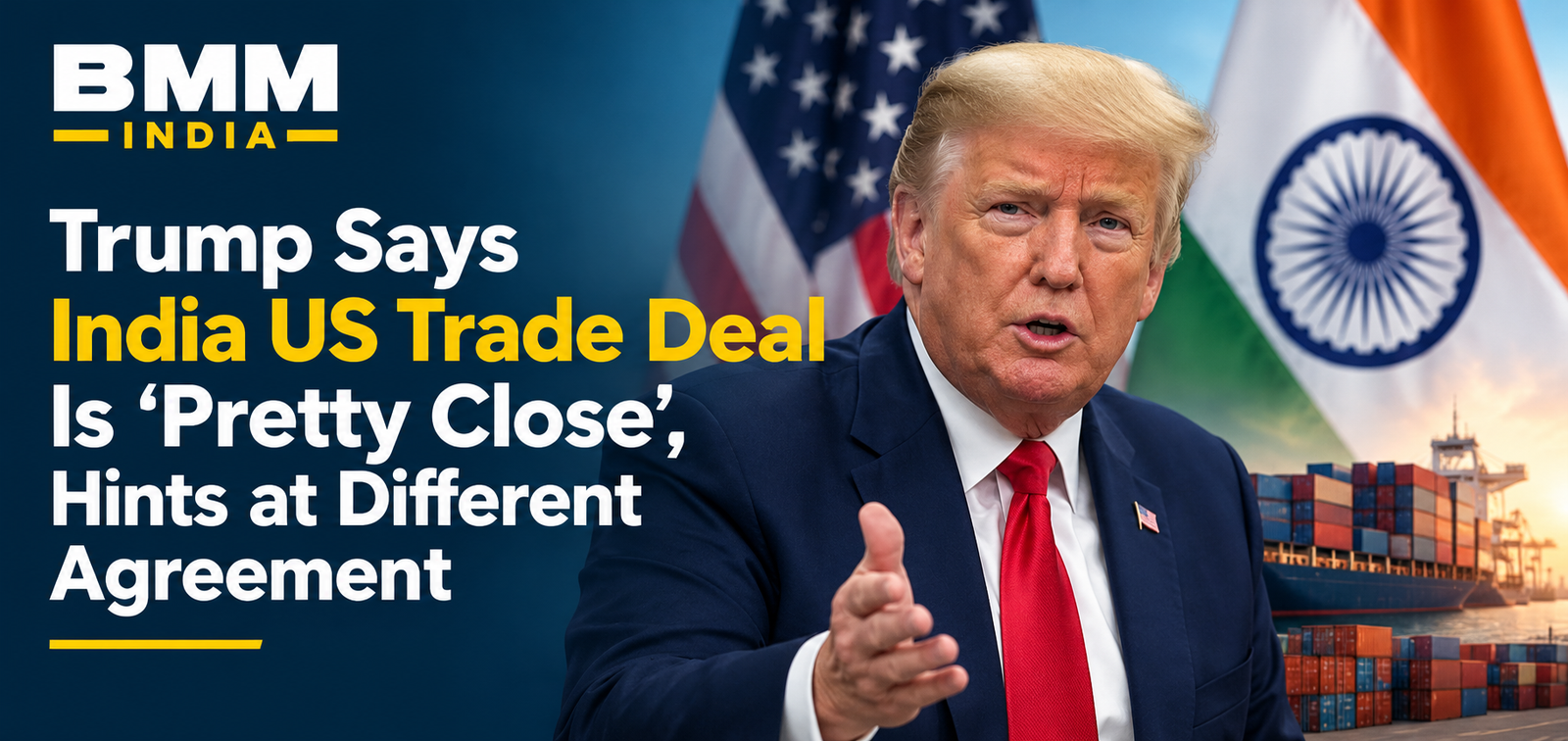
India-US Trade Deal Signals Major Reset in Bilateral Economic Relations

The India-US trade deal announced on Monday marks a significant shift in economic and strategic relations between the United States and India. U.S. President Donald Trump revealed that Washington would sharply reduce tariffs on Indian goods in exchange for major policy and purchasing commitments from New Delhi. The announcement followed

Read More

Fitch Calls India Budget 2026 Broadly Neutral for Growth

Global ratings agency Fitch Ratings has described the India Budget 2026 as “broadly neutral” for economic growth, while cautioning that the pace of fiscal consolidation is slowing as deficit reduction becomes more challenging without affecting expansion momentum. The assessment came after the Union government outlined its fiscal roadmap for the

Read More

Nipah Virus in India: WHO Assesses Risk as Low After New Cases

The World Health Organization has stated that the risk of the Nipah virus in India spreading internationally remains low, following the confirmation of two new infections in late December. In a statement shared with Reuters, the global health body emphasized that it does not recommend imposing travel or trade restrictions

Read More

India–EU Trade Pact Reshapes Auto Market Landscape

The India EU trade deal car tariffs framework marks a major shift in India’s long-standing protectionist stance toward imported automobiles. Under the newly finalised trade agreement between India and the European Union, New Delhi will immediately slash import duties on high-end European cars to as low as 30%, down from

Read More

Subscribe Us Now

Get the latest business insights straight to your inbox.

Access industry trends, expert interviews & success stories.

Discover top executives & innovators shaping the future.