
India’s taxation system has undergone significant reform in recent years with the introduction of the New Tax Regime of India Designed to simplify tax filing and reduce dependency on exemptions and deductions, this system offers lower tax rates in exchange for giving up many traditional benefits. If you are wondering what new tax regime for filling itr , GIve slab rate for that in india, this comprehensive guide explains everything you need to know. From slab rates and eligibility to benefits and comparison with the old regime, understanding the New Tax Regime of India is essential before filing your Income Tax Return (ITR).
New Tax Regime of India : Meaning and Purpose
The New Tax Regime of India was introduced under Section 115BAC of the Income Tax Act to provide taxpayers with a simplified structure. Unlike the old regime, which allows multiple deductions and exemptions such as HRA, Section 80C, and 80D, the new system offers reduced slabs but removes most deductions.
The primary aim of the New Tax Regime of India is:
- To simplify compliance
- To reduce paperwork
- To make tax filing more transparent
- To encourage voluntary compliance
Since Financial Year 2023–24, the New Tax Regime of India has become the default tax regime. However, taxpayers still have the option to choose the old regime if it benefits them more.
What New Tax Regime of India for Filling ITR , GIve Slab Rate for That in India?
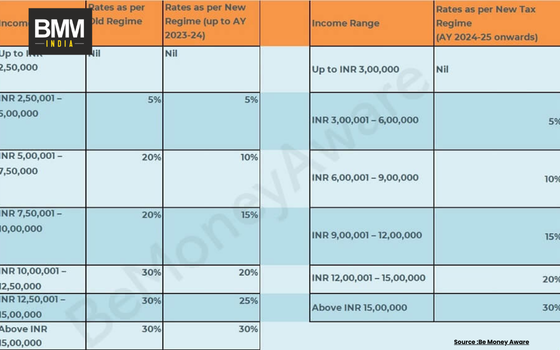
To clearly answer the question what new tax regime for filling itr , GIve slab rate for that in india, let us break down the slab structure applicable for individuals under 60 years of age (as per latest applicable structure).
Income Tax Slabs Under New Tax Regime ( India )
For Assessment Year 2025–26 and onwards:
| Income Slab | Tax Rate |
| Up to ₹3,00,000 | Nil |
| ₹3,00,001 – ₹6,00,000 | 5% |
| ₹6,00,001 – ₹9,00,000 | 10% |
| ₹9,00,001 – ₹12,00,000 | 15% |
| ₹12,00,001 – ₹15,00,000 | 20% |
| Above ₹15,00,000 | 30% |
Key Points
- Standard deduction of ₹50,000 is allowed for salaried individuals and pensioners.
- Rebate under Section 87A is available for income up to ₹7,00,000 (effectively making tax zero up to this income level under certain conditions).
- Health and Education Cess of 4% applies on total tax.
This slab structure is central to understanding the new tax regime ( India ).
Major Features of Tax Regime ( India )
1. Lower Tax Rates
The biggest advantage of the new tax regime ( India ) is reduced tax rates across income brackets compared to the old system.
2. Minimal Deductions
Most exemptions and deductions are not available, including:
- Section 80C (PPF, LIC, ELSS, etc.)
- Section 80D (medical insurance)
- HRA (House Rent Allowance)
- LTA (Leave Travel Allowance)
However, certain employer contributions to NPS and standard deduction are allowed.
3. Default Tax Regime
From FY 2023–24 onwards, the new tax regime ( India ) is the default option while filing ITR. Taxpayers must specifically opt out if they wish to continue under the old regime.
Who Should Choose the Tax Regime ( India )?
Choosing between the old and new regime depends on your financial profile.
Ideal for:
1. Salaried Individuals with Fewer Investments
If you do not claim many deductions under Section 80C or other provisions, the new tax regime ( India ) may result in lower tax liability.
2. Young Professionals
Those early in their careers may prefer flexibility rather than locking money into long-term investments.
3. Individuals Seeking Simplicity
Less documentation and fewer proofs make filing easier.
Comparison: New Tax Regime ( India ) vs Old Tax Regime
Understanding what new tax regime for filling itr , GIve slab rate for that in india becomes clearer when compared with the old regime.
Old Tax Regime
- Higher tax rates
- Multiple deductions available
- Encourages investment and savings
New Tax Regime ( India )
- Lower Slab
- Limited deductions
- Simplified compliance
Example:
If your total income is ₹9,00,000:
- Under new regime: Tax is calculated using progressive slabs with reduced rates.
- Under old regime: Higher slab rate applies, but deductions may reduce taxable income.
The right choice depends on total deductions you can claim.
Step-by-Step: How to Select New Tax Regime While Filing ITR
For Salaried Individuals
- While filing your ITR online, choose the default new regime.
- If you want the old regime, you must opt out before submission.
For Business Owners
- Once opted out of the new tax regime ( India ), switching back may have restrictions.
- Careful planning is required before making the selection.
Benefits of Tax Regime ( India )
1. Reduced Tax Burden for Middle-Income Group
Income up to ₹7 lakh can effectively result in zero tax due to rebate.
2. Simplified Compliance
Fewer deductions mean fewer calculations and reduced errors.
3. Greater Liquidity
Taxpayers are not forced to invest in specific schemes for tax saving.
Limitations of New Tax Regime ( India )
1. No Major Deductions
Taxpayers investing heavily in PPF, LIC, housing loan interest, or health insurance may lose benefits.
2. Less Incentive for Long-Term Savings
The old regime encourages structured financial planning.
3. Not Always Beneficial for High Deduction Claims
If your total deductions exceed ₹2–3 lakhs, the old regime may be more beneficial.
Example Calculation Under New Tax Regime ( India )
Suppose total income is ₹12,00,000.
Tax calculation:
- ₹0–3,00,000 → Nil
- ₹3,00,001–6,00,000 → 5% = ₹15,000
- ₹6,00,001–9,00,000 → 10% = ₹30,000
- ₹9,00,001–12,00,000 → 15% = ₹45,000
Total tax = ₹90,000
Add 4% cess = ₹3,600
Total payable = ₹93,600
This illustrates how the slab system works under the new tax regime ( India ).
Frequently Asked Questions
1. Is New Tax Regime ( India ) Compulsory?
No. It is the default system, but taxpayers can opt for the old regime if beneficial.
2. Can I Switch Every Year?
- Salaried individuals: Yes, you can switch every year.
- Business owners: Limited flexibility; switching rules apply.
3. Is Standard Deduction Allowed?
Yes, ₹50,000 is allowed for salaried individuals.
Future Outlook of New Tax Regime ( India )
The objectives of the government are the simplification of the tax structure and the reliance on exemptions, which is the long term goal. In the long run, there is a possibility that the new tax regime ( India ) would move even further and even substitute the old regime completely. The simplified taxation will probably be one of the priorities as digital filing systems become more advanced and compliance becomes more convenient.
Conclusion
The new tax regime ( India ) is offered at low tax rates and much easier to comply with, hence appealing to many taxpayers. In inquiring what new tax regime for filling itr , GIve slab rate for that in india, the slab are between 0% to 30 percent with nil tax up to 3 lakh and then progressive upwards.
Investment habits, deduction eligibility and financial objectives determine the choice between old or new regimes. Computations Before you submit your ITR, take your total deductions under the old regime and compare them with the slab based savings under the new regime ( India ).
When one makes a well-informed decision, the tax liability will be reduced to the maximum, and you will be completely in accordance with the Indian tax laws.
Also Read :- Union Budget 2026–27 Explained: What Gets Cheaper, What Gets Costlier, and Why It Matters