
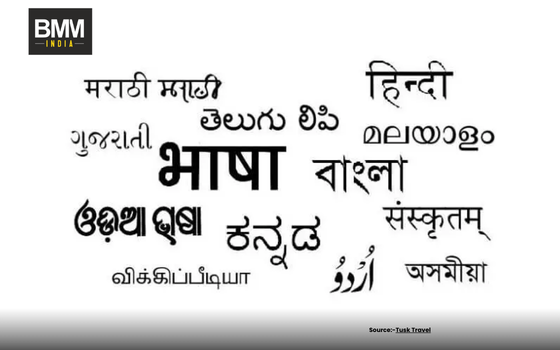
Language in India is not just a tool for communication. It is music shaped by history, emotion, and geography. Some languages feel firm and rhythmic, others expressive and poetic. And then there are those that feel gentle on the ears, flowing naturally with softness and warmth. When people speak of the sweetest languages in India, they are often referring to how a language sounds, how it expresses affection, and how effortlessly it carries emotion.
India has many languages, so sweetness isn’t just found in one area or culture. It comes in many forms, such as lyrical intonation and soft words. This blog talks about what makes a language “sweet” and gives a list of the sweetest languages in India that are easy to speak.
What Makes a Language Sound Sweet?
People have different ideas about what makes a language sweet, but some things always affect how people see it. People often like languages with soft consonants, flowing vowels, and melodic intonation. Being able to show your feelings is also important. A language that easily shows love, respect, and subtlety tends to feel friendlier and more welcoming.
Cultural usage plays a role too. Languages used heavily in poetry, music, cinema, and storytelling naturally develop a reputation for sweetness. This is why discussions around the sweetest languages in India often overlap with literature, classical arts, and regional identity.
List of the Most Speakable Sweet Languages in India
1. Tamil
Tamil is often described as emotionally rich and deeply poetic. Its smooth phonetics and structured grammar give it a natural musicality. Classical Tamil literature is filled with expressions of love, devotion, and philosophy, making it one of the sweetest languages inIndia for those who appreciate depth blended with grace.
2. Malayalam
Malayalam has a soft rhythm that feels good and is known for its flowing sound and long vowel formations. Spoken Malayalam can be hard to understand, but it often sounds loving and expressive, especially in everyday conversation and music.
3. Bengali
People love Bengali because it is soft and clear in its emotions. The sounds are round and the patterns are lyrical, so the language flows well. Because it is linked to poetry, songs, and literature, it is one of the most emotional and sweet-sounding languages in India.
4. Marathi
Marathi is clear and warm at the same time. It has a friendly tone and an expressive quality that works well in both casual and formal settings. The language is polite by nature, which makes conversations feel polite and welcoming.
5. Kannada
Kannada is rhythmic and balanced, with a pleasant flow that makes it easy on the ears. Spoken Kannada often feels calm and composed, with a softness that adds to its appeal as one of the sweetest languages in India.
6. Telugu
Telugu is often called a “musical language” because it has a lot of vowels and sounds that flow smoothly from one to the next. Because of its lyrical quality, it has become popular in classical music and movies, which has helped it get a reputation for being sweet.
7. Gujarati
The tone of Gujarati is happy and light. When you use the language every day, it sounds friendly and conversational. One of the most speakable sweet languages in India, it is warm and clear.
8. Odia
Odia has a gentle rhythm and soft pronunciation. It carries emotional nuance gracefully, particularly in poetry and folk music. Though less commonly discussed nationally, it firmly belongs among the sweetest languages in India.
9. Assamese
The structure of Assamese is calm and flowing, and the sound is smooth and melodic. The language sounds nice and expressive, especially when you speak it slowly. This adds to its charm and sweetness.
Why Sweet Languages Feel More Speakable?
It’s easier to listen to and speak in languages that sound sweet. They help people express their feelings and make conversations less awkward. This makes them popular not only in their culture but also in their social life.
In multilingual India, people often gravitate toward languages that feel pleasant even if they are not native speakers. That is why discussions around the sweetest languages in India often include languages that transcend regional boundaries through music, cinema, and shared cultural experiences.
Sweetness Beyond Sound
Don’t forget that sweetness isn’t just about how words sound. It’s also about how people speak the language. Tone, respect, and emotional intelligence are very important. When spoken kindly, any language can sound sweet.
Still, certain languages naturally lend themselves to warmth and melody. Their structure, history, and cultural use amplify this effect, earning them a place in conversations about the sweetest languages in India.
A Matter of Personal Experience
Everyone hears sweetness in a different way. A language that brings back memories from childhood may sound sweeter than one that is new to you. Perception is affected by personal experiences, exposure to different areas, and emotional connections.
That is why there is no single winner when discussing the sweetest languages in India. Instead, there is a shared appreciation for how language can soften communication and bring people closer.
Final Thoughts
India’s linguistic richness ensures that sweetness appears in many forms. From the lyrical flow of Bengali to the musical cadence of Telugu and the emotional depth of Tamil, the sweetest languages in India remind us that language is more than words. It is feeling, rhythm, and human connection.
The most beautiful language is often the one that shows empathy and respect. Even so, people from all over the world still love these languages, showing that sound and feeling can make communication truly beautiful.
Also Read :- Business Minds Media India For more information