
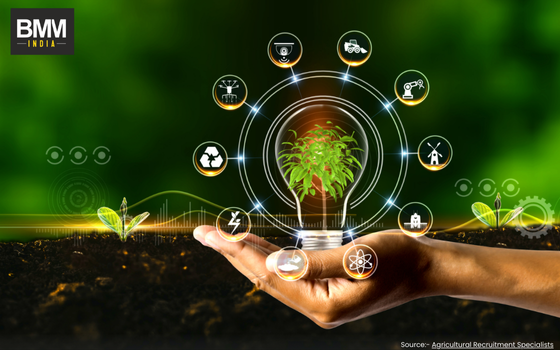
Agriculture has always been a cornerstone of human civilization, but the way we cultivate food is undergoing a profound transformation. With the introduction of smart technologies, farms are becoming more efficient, precise, and sustainable. The Smart Farm Revolution is redefining the agricultural landscape by integrating digital tools, data analytics, sensors, and automation into traditional farming practices. This shift is not only helping farmers increase productivity but also ensuring that resources are used more wisely, crops are healthier, and the environmental impact of farming is reduced.
Smart farms leverage technology to bridge the gap between nature and innovation. From soil monitoring systems to automated irrigation and drone surveillance, these farms operate with unprecedented accuracy. The result is a farming ecosystem where every decision is informed by real-time data, where resources are optimized, and where the quality and quantity of produce can be significantly enhanced.
Precision Agriculture: A New Era of Smart Farm Revolution
At the heart of the Smart Farm Revolution is precision agriculture. Precision agriculture uses technology to monitor crops, soil, and environmental conditions in detail, allowing farmers to make informed decisions. Sensors placed in fields collect information on moisture levels, nutrient content, temperature, and pest activity. This data is analyzed to determine the exact requirements for each crop, reducing waste and improving efficiency.
By applying fertilizers, water, and pesticides only where and when they are needed, precision agriculture minimizes environmental impact while maximizing yield. Farmers no longer rely solely on experience and intuition. Instead, they have a technological toolkit that supports smarter planting, fertilizing, and harvesting practices. This level of precision ensures that every square meter of farmland is used to its full potential.
Drones and Aerial Monitoring
Drones have become indispensable tools in modern agriculture. Equipped with cameras and sensors they provide farmers with aerial views of their fields, offering insights that are impossible to obtain from the ground. Drones can detect crop stress, pest infestations, and irrigation issues quickly and accurately. By identifying problems early, farmers can take corrective actions before significant damage occurs.
Aerial monitoring also enables the creation of detailed maps that show crop health, growth patterns, and soil variability. This information helps in planning planting schedules, optimizing resource allocation, and predicting harvest times. The use of drones reduces the need for manual inspections, saves time, and ensures that interventions are more targeted and effective.
Automation and Robotics in Agriculture
Automation is another key aspect of the Smart Farm Revolution. Agricultural robots are now performing tasks that were traditionally labor-intensive, such as planting, weeding, harvesting, and sorting produce. These machines operate with high precision and consistency, reducing human error and improving overall efficiency.
Robotics also helps address labor shortages that have become a significant challenge in many farming regions. Automated systems can work around the clock, ensuring that crops are planted and harvested on time. By integrating robotics with data analytics and artificial intelligence, farms can continuously monitor and adjust their operations, creating a self-optimizing environment that responds to changing conditions in real time.
Digital Platforms and Data Analytics
The collection and analysis of data is central to smart farming. Digital platforms aggregate information from sensors, drones, machines, and weather forecasts to provide farmers with actionable insights. These platforms use advanced analytics and artificial intelligence to predict crop performance, identify potential risks, and recommend optimal interventions.
Data-driven decision-making allows farmers to reduce input costs, increase yield, and improve crop quality. It also enhances supply chain management by forecasting harvest times and quantities more accurately. By having a comprehensive view of the entire farm ecosystem, farmers can make strategic choices that balance productivity, cost efficiency, and sustainability.
Sustainability and Environmental Benefits
Smart farms are also driving sustainability in agriculture. By optimizing water use, reducing chemical inputs, and monitoring soil health, these technologies reduce the ecological footprint of farming. Precision irrigation systems ensure that crops receive the right amount of water, conserving this critical resource. Sensor-based fertilization minimizes nutrient runoff that can pollute water bodies.
Additionally, smart farms contribute to climate resilience by enabling proactive management of crops in response to changing weather patterns. By monitoring environmental conditions and adjusting farming practices accordingly, farmers can protect their crops from adverse conditions and reduce losses. This combination of efficiency and sustainability is essential for feeding a growing global population while preserving natural resources.
The Future of Smart Farming
The Smart Farm Revolution is still in its early stages, but its potential is enormous. As technologies continue to advance, farms will become even more connected, intelligent, and autonomous. The integration of artificial intelligence, machine learning, robotics, and the Internet of Things will allow farmers to predict and respond to challenges with precision previously unimaginable.
Conclusion
The Smart Farm Revolution represents a paradigm shift in agriculture. By combining precision agriculture, drones, robotics, digital platforms, and sustainability practices, farms are becoming more efficient, productive, and environmentally responsible. Technology is no longer just a support tool; it is the backbone of modern agriculture. As this revolution progresses, it promises to reshape food production, enhance resource management, and ensure that future generations have access to high-quality and sustainable food. Europe’s agriculture is poised to lead this transformation, demonstrating the power of innovation to create smarter, more resilient, and highly efficient farming systems.
Also Read :- India’s Most Innovative AgriTech Company 2026