
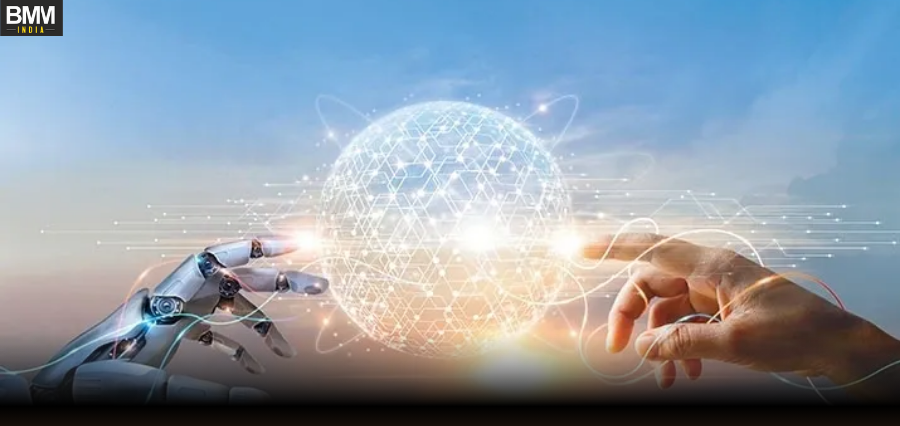
source:- Strategeos
Leadership in the modern era is no longer a purely human endeavor. The rise of artificial intelligence has transformed the way decisions are made, problems are solved, and strategies are designed. Leaders today operate in a world where algorithms can analyze massive amounts of information, forecast outcomes, and even shape opinions. This new reality demands a redefinition of leadership, one where human insight and algorithmic Hybrid Intelligence coexist in a delicate balance. The most successful leaders will be those who master this collaboration, using technology not as a replacement for judgment but as a partner in creating deeper understanding and more ethical decision-making.
The Rise of Hybrid Intelligence
Hybrid intelligence represents the merging of human intuition and machine precision into a shared system of learning and action. In the past, leadership depended largely on experience, vision, and emotional awareness. Algorithms have now entered this space with the ability to process variables and recognize patterns that humans might overlook. However, machines lack the emotional depth, empathy, and ethical reasoning that define humanity. The modern leader must therefore operate as a translator between data and meaning, ensuring that numbers do not silence the nuances of human experience.
Trusting the Machine without Losing Judgment
One of the greatest challenges for leaders in this era is to trust data-driven systems without surrendering to them. Many organizations rely heavily on analytics, believing precision equals truth. Yet algorithms are only as objective as the data and assumptions that shape them. A new kind of leadership literacy is required, one that blends technical understanding with critical thinking. Leaders must question algorithmic outcomes, investigate their origins, and remain aware of the ethical implications that accompany automated decisions. Judgment, empathy, and moral reasoning must remain at the center of every data-driven strategy.
Human Algorithm Strengths in a Digital World
As machines grow stronger in computation, the value of uniquely human abilities has increased. Emotional intelligence, creativity, and empathy are not secondary traits; they are the core differentiators of leadership in a hybrid world. Algorithms can suggest efficient solutions, but they cannot understand how those solutions impact morale, culture, or identity. A leader’s role is to bridge that gap, to transform insight into inspiration and ensure that technology amplifies human connection rather than diminishes it.
The Transformation of Decision-Making
The speed and accessibility of data have also changed how organizations make decisions. Traditional hierarchies, where authority rested at the top, are being replaced by more fluid and responsive systems. Teams equipped with real-time information can make choices faster and with greater accuracy. This shift pushes leaders to act as coordinators rather than controllers, empowering teams while maintaining strategic coherence. Leadership, in this new structure, is less about issuing commands and more about orchestrating collaboration.
Ethics in the Age of Human Algorithm
With great computational power comes great ethical responsibility. Artificial intelligence now influences decisions in recruitment, finance, and even healthcare. While these technologies can improve efficiency, they can also perpetuate bias and inequality if left unchecked. Ethical leadership demands that decision-makers take responsibility for how algorithms operate and whose interests they serve. Transparency, accountability, and fairness must guide every technological process. Leaders cannot hide behind the neutrality of machines; every algorithm carries human intent within its design.
The New Culture of Learning
In the hybrid era, adaptability has become the defining skill of leadership. Knowledge cycles are shorter than ever, and technological shifts can render expertise obsolete overnight. Leaders must embody lifelong learning, fostering curiosity and experimentation across their organizations. The best cultures are those that encourage collaboration between humans and machines, each teaching the other and expanding the boundaries of what is possible.
Leading with Authenticity in a Digital Age
Artificial intelligence now assists in communication, recruitment, and public engagement. However, as digital mediation increases, authenticity becomes a rare and powerful asset. Leaders must ensure that their voices remain genuine, transparent, and grounded in human values. Technology should enhance empathy, not replace it. In this new landscape, authenticity becomes the bridge between algorithmic efficiency and emotional trust.
A Mindset for the Future
The greatest transformation brought by hybrid intelligence is not technological but philosophical. Leadership is shifting from control to collaboration, from competition to co-creation. The most effective leaders will approach technology with humility, acknowledging its power while understanding its limits. Machines may analyze data better than humans, but only humans can define purpose, vision, and ethics.
Conclusion: The Future of Human Leadership
Hybrid intelligence does not signal the end of human leadership; it marks its evolution. The leaders of the future will not fear artificial intelligence, nor will they depend blindly on it. Instead, they will cultivate a partnership that combines human insight with algorithmic precision. In doing so, they will create organizations that are both technologically advanced and deeply humane. The true measure of leadership in the age of hybrid intelligence will not be how well one uses machines, but how wisely one integrates them into the human story.
Also Read :- Business Minds Media India For more information