
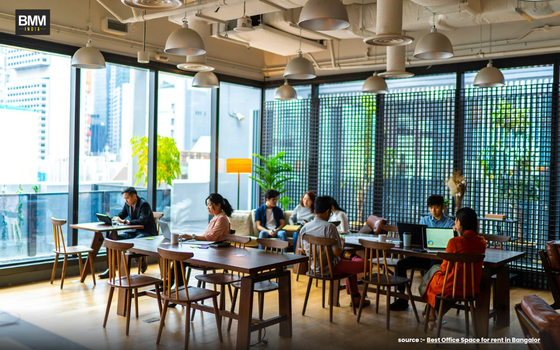
The modern workplace is changing at a pace that is faster than ever before. The traditional workplace, with its focus on cubicles, time discipline, and hierarchy, is a thing of the past. The modern workplace is a highly dynamic environment that is driven by concepts such as flexibility, collaboration, and culture. Office Culture 2.0 is a new era for modern workplaces, where the focus is no longer just on providing a workplace but also on creating a workplace that inspires, innovates, and delivers culture to its employees.
From the emergence of Co-Working to Culture-Driven Companies, the modern workplace is a vastly different place compared to its traditional avatar.
The Shift from Traditional Offices
The traditional workplace was designed to ensure that employees worked from a central office, often within a particular department and at a particular time. This was the norm for several decades, and organizations designed their offices to ensure that employees worked within a particular structure and routine.
However, the modern workplace is vastly different, and employees are no longer just looking for a high salary or a high career growth prospect. Employees are also seeking flexibility, creativity, and a sense of well-being, and this is where Office Culture 2.0 emerges as a new phenomenon.
Office Culture 2.0 is no longer just about changing the workplace environment; rather, it is about changing the approach to creating a workplace that is highly collaborative, communicative, and culturally driven.
The modern workplace is no longer just a place where employees work; rather, modern organizations are realizing that culture is no longer a side element but a highly strategic element that drives the success and engagement of employees.
Rise of Co-Working Spaces
The emergence of Co-Working spaces is one of the biggest changes that is driving Office Culture 2.0, and this is a phenomenon that is highly visible and impactful. Co-working spaces are spaces that allow professionals, startups, and even large organizations to work, and this is a highly flexible and community-driven environment.
In contrast, they promote interaction among people from diverse industries and backgrounds.
For startups, co-working spaces offer the advantage of high-class facilities without the cost and hassle of maintaining an office.
The success of WeWork, Awfis, and IndiQube is an example of the changing nature and needs of the modern workforce.
From Space to Experience
The idea behind the concept of Office Culture 2.0 is not confined to physical space. The modern-day corporate world is shifting its focus to the employee experience as an essential part of the business model.
This includes:
- Flexible ways of working
- Hybrid and flexible working
- Wellness and well-being
- Mental well-being
- Learning and development
- Inclusive leadership
Employees are not driven by the prospect of getting promoted and increased pay anymore. They look for an environment where they feel listened to, appreciated, and empowered.
Organizations that focus on culture are creating an emotional bond with their workforce, and this is driving engagement and loyalty.
Culture-Driven Companies Are Leading the Future
Culture-driven companies are redefining the concept of success in the corporate world.
A culture-driven company is an organization that derives its identity from its values, being transparent, innovative, and having people-first leadership. Culture-driven companies are the ones that are creating the future, and the essence of the concept of Office Culture 2.0 is the idea of culture being an integral part of the organization.
Google, Microsoft, and other startups are examples of companies that have shown the power of the concept of office culture and its potential to drive success.
A culture-driven organization is an organization that focuses on creating an environment where the workforce is driven by trust, purpose, and collaboration, and the workforce is fully aligned with the company’s mission and vision.
When culture is the basis, the chances of the employees making a meaningful contribution and staying with the company long-term are higher.
The Role of Technology in Office Culture 2.0
Technology is a significant factor in the development of Office Culture 2.0.
With the help of collaboration tools like Slack, Microsoft Teams, Zoom, and project management tools, communication between teams and people has become effortless.
Technology has helped companies maintain strong cultures in hybrid settings too.
With the help of technology, companies are now able to maintain a strong culture even in hybrid settings.
Virtual town halls, digital recognition programs, online training programs, and employee feedback tools are some of the tools that can help companies maintain a strong culture in hybrid settings.
With the help of technology, the culture of the company has become more inclusive and accessible too.
The Road Ahead
As we move into the future of Office Culture 2.0, the challenge is to strike a balance between flexibility and belonging.
As the world of work continues to evolve and change, the challenge facing companies is to create aculture that can change and evolve with the changing workforce while maintaining a strong organizational culture.
As we look into the future of the office and the world of work, we see a world where the office is no longer defined by the buildings we occupy or the way we arrange the furniture.
We see a world where the office is a place where people can grow and find purpose and belonging.
From co-working ecosystems to culture-driven companies, the future of the office is a place where people can collaborate and find purpose and belonging.
In the world of Office Culture 2.0, culture is no longer a perk; it is the workplace itself.
Also Read :-As the world of work continues to evolve and change, the challenge facing companies is to create aculture that can change and evolve with the changing workforce while maintaining a strong organizational culture.
As we look into the future of the office and the world of work, we see a world where the office is no longer defined by the buildings we occupy or the way we arrange the furniture.
We see a world where the office is a place where people can grow and find purpose and belonging.
From co-working ecosystems to culture-driven companies, the future of the office is a place where people can collaborate and find purpose and belonging.
In the world of Office Culture 2.0, culture is no longer a perk; it is the workplace itself.
Also Read :- Business Minds Media India for more information