
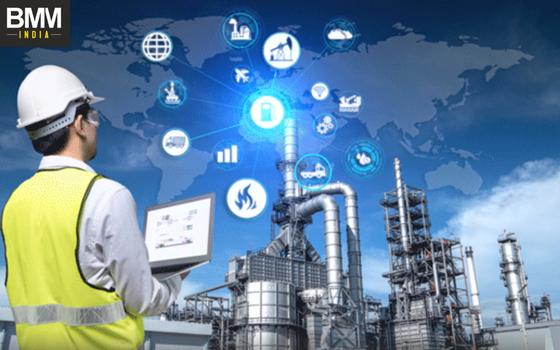
source:- FieldEquip
The oil and gas industry is undergoing one of the most transformative periods in its history. Traditionally known for its reliance on heavy machinery, manual processes, and capital-intensive operations, the sector is now embracing advanced digital technologies to remain competitive in an evolving energy landscape. Artificial intelligence, Oilfield Digitalization the Internet of Things, and predictive analytics are at the forefront of this shift, collectively redefining how oilfields are explored, developed, and managed.
From Legacy Systems to Intelligent Operations
For decades, oilfield operations depended on legacy control systems and periodic manual data collection. Engineers made critical decisions based on static reports or historical records, often with incomplete information. Today, digitalization is changing this paradigm. Sensors embedded in equipment provide real-time data on pressure, temperature, vibration, and flow rates. Advanced connectivity allows this data to be transmitted instantly to centralized platforms where it is analyzed and visualized. The result is a more responsive and intelligent oilfield, capable of detecting risks and opportunities long before they become visible through traditional means.
Artificial Intelligence in Decision Making
Artificial intelligence has emerged as one of the most powerful tools in oilfield management. Machine learning algorithms can process massive volumes of data collected from drilling rigs, pipelines, and production facilities. Instead of relying solely on human interpretation, AI models can identify subtle patterns that might indicate equipment wear, reservoir behavior, or inefficiencies in operations.
In drilling, AI-driven platforms are optimizing bit performance, predicting equipment failures, and reducing nonproductive time. In reservoir management, AI can simulate multiple production scenarios, helping operators determine the most efficient strategies for maximizing recovery. By augmenting human expertise, artificial intelligence is enabling faster, more accurate, and more cost-effective decision-making.
IoT and the Connected Oilfield
The Internet of Things is the backbone of oilfield digitalization. Every piece of equipment, from pumps and compressors to valves and turbines, can now be connected through IoT sensors. These sensors continuously monitor performance and transmit data to cloud-based systems, creating a digital replica of the physical oilfield. This connected ecosystem is often referred to as the digital oilfield.
With IoT, companies gain unprecedented visibility into remote and offshore operations. For example, operators can monitor pipeline integrity in real time, reducing the risk of leaks and environmental damage. Maintenance teams can be alerted immediately when anomalies occur, ensuring rapid intervention before a minor issue escalates into a costly shutdown. This connectivity also enhances collaboration, allowing teams across different locations to access the same live data and make decisions collectively.
Predictive Analytics and Proactive Maintenance
Predictive analytics bridges the gap between data collection and actionable insights. By analyzing historical data alongside real-time inputs, predictive models forecast potential equipment failures and production bottlenecks. Instead of reacting to breakdowns, operators can schedule maintenance proactively, reducing downtime and extending the life of expensive assets.
One of the most impactful applications is predictive maintenance of rotating equipment such as compressors and turbines. These assets are critical to oilfield productivity, and unplanned outages can cost millions of dollars. Predictive analytics allows operators to identify early warning signs of failure, plan interventions during scheduled downtime, and avoid revenue losses. The financial and operational benefits of this approach are driving widespread adoption across the sector.
Enhancing Safety and Sustainability
Digital technologies are not only improving efficiency but also enhancing safety and sustainability. AI and IoT solutions can detect hazardous gas leaks, predict blowout risks, and monitor worker exposure to dangerous environments. Automated systems reduce the need for human presence in high-risk areas, lowering the chances of accidents.
From an environmental perspective, predictive analytics can optimize energy consumption, reduce flaring, and improve water management in oilfield operations. The integration of sustainability metrics into digital platforms is allowing companies to align profitability with environmental responsibility. As regulatory pressures and societal expectations increase, digitalization provides a path toward safer and cleaner operations.
Challenges to Adoption
Despite its clear benefits, oilfield digitalization faces challenges. The industry must overcome concerns about data security, particularly as more operations migrate to cloud platforms. Cybersecurity threats are real and can disrupt critical infrastructure if not managed properly. Additionally, integrating new technologies with legacy systems requires significant investment and technical expertise.
There is also a cultural challenge. Oil and gas companies have traditionally been conservative in adopting change, and digital transformation requires a shift in mindset at every organizational level. Training employees, building digital skills, and fostering a culture of innovation are as important as the technologies themselves.
The Road Ahead
The future of oilfield digitalization lies in greater convergence of AI, IoT, and predictive analytics. As these technologies mature, they will enable fully autonomous operations where equipment can self-monitor, self-diagnose, and even self-correct with minimal human intervention. Digital twins, advanced robotics, and edge computing will further extend the capabilities of the connected oilfield.
For oil and gas companies, the imperative is clear. Embracing digital transformation is no longer optional; it is a strategic necessity. Companies that harness the power of digitalization will achieve higher efficiency, lower costs, improved safety, and stronger sustainability credentials. Those that hesitate risk being left behind in a highly competitive and rapidly evolving energy market.
Conclusion
Oilfield digitalization represents a new era for the industry, one where data-driven insights guide decisions, machines communicate seamlessly, and operations are optimized in real time. Artificial intelligence, the Internet of Things, and predictive analytics are not just technological tools; they are enablers of resilience, sustainability, and long-term growth. As the energy sector navigates global transitions and increasing demand for cleaner and more efficient operations, digitalization will remain the cornerstone of its future.